

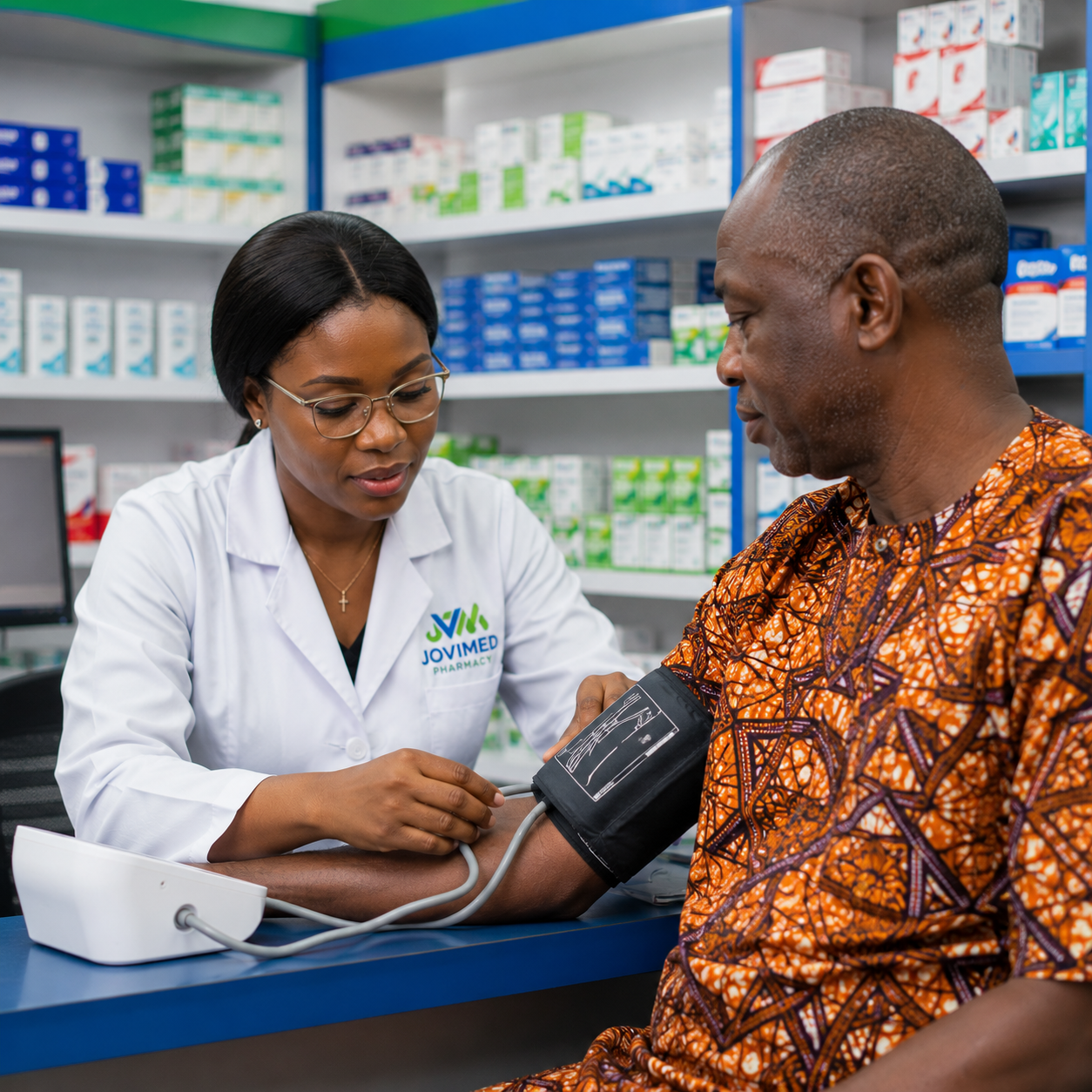
When was the last time you checked your blood pressure?
Not because you were feeling sick.
Not because a doctor asked you to.
Just because you wanted to know how your body was doing.
For many people, health checks only happen when something feels wrong. You have a headache, feel unusually tired or become concerned about a symptom, and that is when you decide to check your health.
But some important health problems may not cause obvious symptoms at first.
That is why regular, appropriate health screening can be useful.
A simple check can give you information you may not have known you needed.
What is health screening?
Health screening involves checking for certain health conditions or risk factors before there are obvious symptoms.
The purpose is not to diagnose every possible disease. A good screening programme identifies people who may need further assessment or early intervention. WHO also stresses that screening should be properly designed, evidence-based and followed by appropriate care when an abnormal result is found.
Examples of checks that may be appropriate for some people include:
- Blood pressure checks
- Blood glucose testing
- Weight and body measurements
- Cholesterol testing
- Other health assessments based on age, medical history and risk factors
The appropriate screening depends on the individual. No single list of tests applies to everyone at the same frequency.
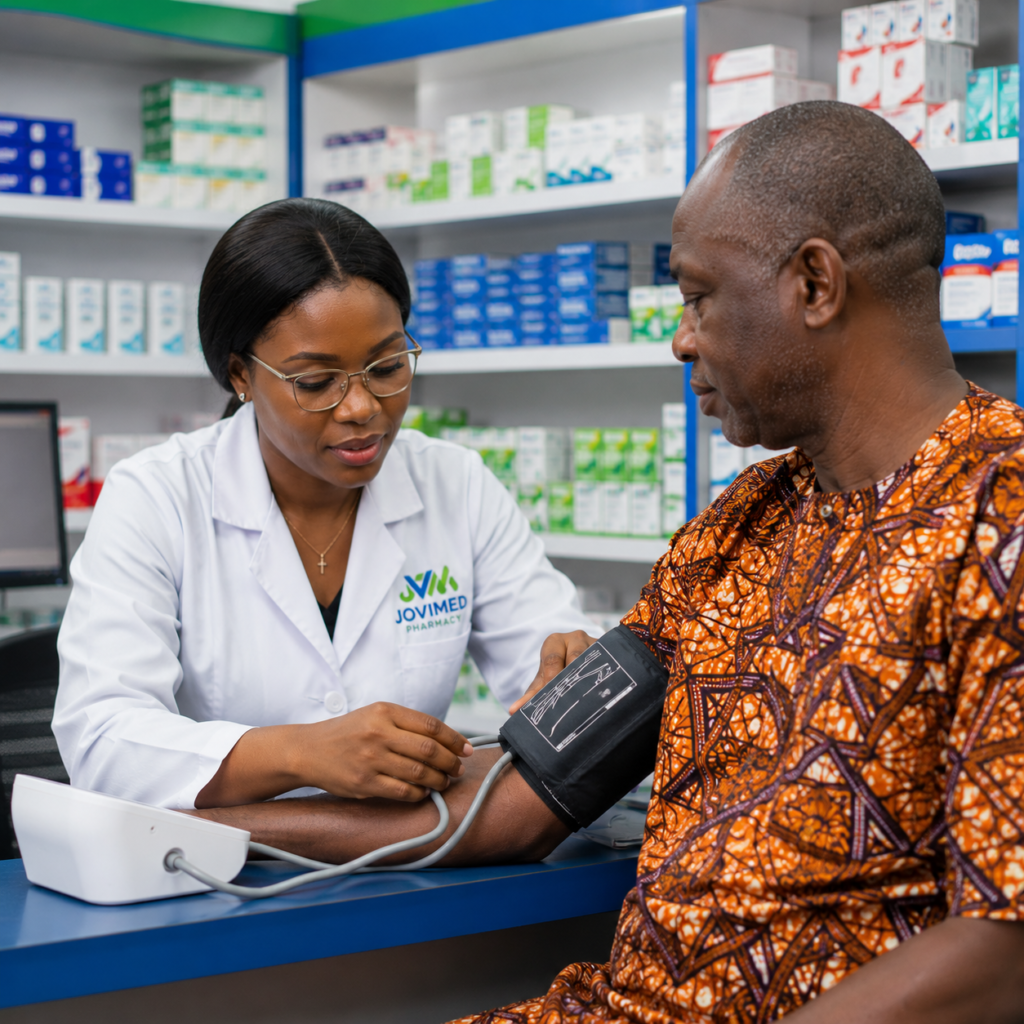
Why should you consider regular health checks?
1. They can identify problems you may not notice
You can feel perfectly fine and still have an elevated blood pressure reading.
High blood pressure often does not cause obvious symptoms, which is one reason regular measurement is important. Evidence-based guidance recommends screening adults for hypertension, with frequency influenced by age and risk factors.
A health check can therefore give you information that your body may not be giving you through noticeable symptoms.
That does not mean every abnormal reading means you have a disease. Blood pressure can vary, and an elevated screening result may need to be repeated or confirmed before a diagnosis is made.
2. Early information gives you more time to act
One of the biggest benefits of screening is information.
Suppose a screening check suggests that your blood pressure is higher than expected.
You now have a reason to pay closer attention, discuss the result with a healthcare professional and take appropriate next steps.
Without the check, you may not have known there was anything worth investigating.
The same principle applies to certain blood glucose abnormalities. Evidence-based guidance supports diabetes and prediabetes screening for particular adults at increased risk, because identifying these conditions can allow earlier evaluation and appropriate intervention.
3. It helps you understand your health trends
One health reading tells you something.
Several readings over time can tell you much more.
For example, regularly monitoring your blood pressure can help you and your healthcare professional see whether your readings are consistently within a healthy range or whether there is a pattern that needs attention.
This is particularly useful for people who already have conditions such as hypertension or diabetes and have been advised to monitor specific health measures.
Keeping a record of your results can also make conversations with your doctor or pharmacist more useful.
4. It can encourage healthier habits
Sometimes seeing a health result makes an issue feel more real.
You may decide to become more physically active, pay more attention to your diet, reduce unhealthy habits or follow through with a healthcare appointment.
The goal is not to become obsessed with numbers.
The goal is to use useful health information to make informed decisions.
5. It is especially important as you get older
Our healthcare needs change as we age.
Risk factors for conditions such as hypertension and type 2 diabetes can also change over time.
For example, the USPSTF recommends blood pressure screening for adults and suggests annual screening for adults aged 40 years and older or those at increased risk.
That does not mean everyone needs every possible health test every year.
Your age, family history, weight, existing medical conditions, medicines and other risk factors should help determine what screening is appropriate.
6. It can help people who already have health conditions
Regular checks are not only for people who think they are healthy.
They can also be useful for people already managing a health condition.
For example, someone living with hypertension may need regular blood pressure monitoring. Someone managing diabetes may need regular blood glucose monitoring as part of their healthcare plan.
Screening and monitoring are not exactly the same thing, and people with an existing diagnosis should follow the monitoring plan given by their healthcare professional.
What health checks can you consider?
The right checks depend on your individual circumstances.
Blood Pressure
A blood pressure check is a simple way to measure the pressure of blood against the walls of your arteries.
It is one of the most commonly used health measurements, and regular screening can help identify people who may need further evaluation.
Blood Sugar
Blood glucose testing can provide useful information about blood sugar levels.
However, one result does not automatically diagnose diabetes. The appropriate test and interpretation depend on the person’s circumstances, and abnormal results may require further clinical evaluation.
Weight Monitoring
Keeping track of your weight can help you understand changes over time.
Weight is only one part of assessing health, so it should not be looked at in isolation.
Other Health Screening
Depending on your age, sex, family history, symptoms and risk factors, a doctor or other qualified healthcare professional may recommend additional screening.
How often should you get screened?
This is one area where there is no universal answer.
The right frequency depends on what is being screened for and who is being screened.
For example, evidence-based recommendations for blood pressure screening differ according to age and risk, while diabetes screening recommendations depend on factors such as age and overweight or obesity.
So avoid the idea that:
“Everybody should do every health test every month.”
That is not necessary and can create unnecessary anxiety and expense.
A better approach is to discuss your health history and risk factors with an appropriate healthcare professional and follow the screening schedule that is appropriate for you.
What should you do if your result is abnormal?
Don’t panic.
And don’t start taking medication simply because a screening result is outside the expected range.
Screening is designed to identify people who may need further assessment. An abnormal screening result does not always mean that you have the condition being screened for. For example, blood pressure may vary and an elevated office measurement may need confirmation outside the clinical setting before hypertension is diagnosed.
The appropriate next step may be:
- Repeat the measurement
- Carry out another test
- Speak with a pharmacist or doctor
- Receive further clinical evaluation
- Begin or adjust treatment if a diagnosis is confirmed
The important thing is not to ignore a concerning result.
Health screening should not replace medical care
This point is important.
A health screening is a check, not a complete medical consultation.
If you have symptoms, a known medical condition, or a result that concerns you, you may need further assessment from a doctor or another appropriate healthcare professional.
Do not use a normal screening result as a reason to ignore persistent symptoms.
Your health is bigger than one number on a machine.
Make health checks part of your routine
You do not have to wait until you feel seriously unwell before paying attention to your health.
Knowing your blood pressure, understanding your blood sugar where appropriate and keeping track of important health measurements can help you become more informed about your health.
The goal is simple:
Know your numbers. Understand what they mean. Take the right next step.
Health Checks at Jovimed Pharmacy
At Jovimed Pharmacy, health checks are among the services available to customers.
You can visit us for:
- Blood pressure checks
- Blood sugar testing
- Weight monitoring
- Selected health screening services
Our pharmacy team can also provide appropriate guidance and advise you when a result may require further medical attention.
📍 Headquarters:
92A Jovimed Building, Opposite B Division Police Station, Oke-Aro, Akure, Ondo State.
📍 Branch:
Beside First Bank, Oke-Aro, Akure.
📞 08062641711
💬 WhatsApp: 08131803882 or 08062641711
Good Health is Affordable.
Important note
This article is for general health education and does not replace diagnosis, treatment or personalised medical advice. The appropriate screening tests and frequency vary from person to person. If you have concerning symptoms or an abnormal result, seek appropriate medical evaluation.